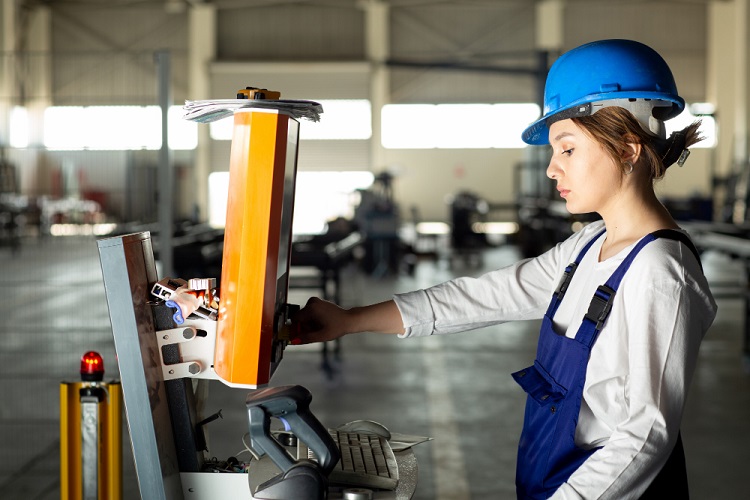
Despite decades of advancement in engineering and enormous investments in R&D, far too many high-tech products never see the light of day or worse, they launch only to fail commercially. The reasons are rarely to do with technical inadequacy. Instead, a less obvious but more insidious factor often lies at the heart of these failures: a failure to account for the human experience.
Product development that does not integrate human factors and usability considerations from the outset often leads to outcomes that are elegant in theory, but unworkable in practice. From medical devices that are too complex for clinicians to use efficiently, to industrial equipment that poses avoidable safety risks, the underlying problem is the same: too little attention paid to how real people will interact with the product in real-world contexts.
Table of Contents
Engineering Excellence Isn’t Enough
In traditional product development pipelines, engineering dominates. Product teams strive for technical feasibility, regulatory approval, and manufacturability. Usability testing if it’s conducted at all is often relegated to the final stages, when the room for fundamental design changes is minimal or nonexistent.
This disconnect between engineering and human factors is a primary reason products that are exceptional in their specifications fail to resonate with end users. Usability is not a polish applied at the end; it’s a discipline that must guide decisions from the very first sketch.
As 42 Technology has repeatedly demonstrated across multiple sectors from medtech to industrial tools true innovation arises when engineering excellence is matched by an equally rigorous commitment to human-centred design. The firm’s integrated product development approach ensures that usability and compliance are not afterthoughts, but core design drivers.
The Real-World Cost of Neglecting Usability
In sectors like medical technology, the consequences of poor usability go beyond market failure—they can be fatal. Take, for example, a drug delivery device engineered to perform flawlessly under laboratory conditions. If the interface is unintuitive, or if the instructions are ambiguous, patients may use the product incorrectly, leading to underdosing, overdosing, or even complete treatment failure.
Regulatory bodies such as the FDA and the MHRA increasingly recognise the importance of usability in mitigating risk. Human factors engineering is now an essential component of submissions for high-risk medical devices. Non-compliance can delay approvals, trigger costly redesigns, or result in products being pulled from the market post-launch.
Outside healthcare, the same principles apply. Industrial tools that are ergonomically flawed can cause repetitive strain injuries, decrease efficiency, and contribute to operator error. Consumer electronics that aren’t designed with accessibility in mind will alienate large portions of the user base, reducing the product’s market potential.
Multidisciplinary by Design
This is where a multidisciplinary, integrated approach can make all the difference. By bringing together engineers, human factors specialists, regulatory experts, and industrial designers from the earliest stages of product development, it’s possible to foresee and resolve usability issues before they become locked into the design.
At 42 Technology, this is more than just a philosophy—it’s a practice. The firm’s human factors and usability team works hand-in-glove with technical teams to anticipate how users will interact with a product, understand the contexts in which it will be used, and identify potential failure points early. This approach not only de-risks development but can lead to patentable innovations grounded in real user needs.
One key technique is formative usability testing, where prototypes often still in early development are tested with actual users. This allows teams to gather qualitative and quantitative data on user behaviour, leading to insights that can radically reshape the direction of the design. It also supports the development of clear, intuitive instructions for use (IFUs), packaging, and training materials all critical to successful adoption.
The Benefits of Getting it Right
The upside to integrating human factors is substantial. Products that are intuitive to use require less training, result in fewer errors, and build greater trust with end users. In regulated industries, they have a smoother path to approval. Commercially, they are more likely to be adopted and recommended.
Consider a recent case study from 42 Technology involving the redesign of a medical diagnostic device. By embedding human factors specialists early in the development process, the team was able to identify a set of user interface issues that would likely have gone unnoticed until final-stage testing. The resulting product not only achieved regulatory approval with fewer hurdles but also received high praise from clinicians for its ease of use contributing directly to its market success.
Even in less regulated fields, the benefits are tangible. Products designed with user needs in mind tend to outperform competitors in customer satisfaction surveys, suffer fewer product returns, and enjoy greater brand loyalty.
Changing the Mindset
Perhaps the most critical shift required is cultural. Engineering-led organisations must come to see usability and compliance not as checkboxes on a development timeline, but as co-equal pillars of product success. This requires structural changes to how projects are run, how success is measured, and how teams are composed.
The integrated model championed by 42 Technology provides a compelling example. By embedding human-centred thinking into every phase of development, the firm ensures that brilliant engineering is never let down by poor execution in the real world.
From Function to Fulfilment: Why People Must Be at the Heart of Product Design
The road to product failure is often paved with technical brilliance. It’s not enough for a product to work it has to work for people. And that means investing in human factors and usability not at the end, but from the very beginning of development.
In an increasingly competitive, regulated, and user-conscious market, integrating these disciplines early is not just best practice it’s essential. As firms like 42 Technology continue to demonstrate, the future of product development lies not just in building better things, but in building things better suited to the people who use them.