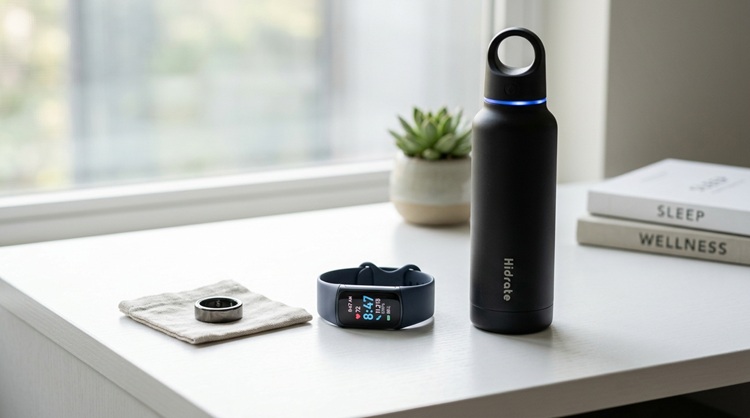
Home health tech has moved from novelty to everyday habit. Many people now track sleep, blood pressure, activity, heart rate or body temperature without thinking of it as medical monitoring. The value is not in staring at numbers all day. It is in spotting patterns early enough to make better decisions about rest, diet, exercise and when to ask for professional advice.
The danger is overreacting to every reading. A single high number does not always mean something is wrong. A trend over time is more useful. That is why the best setup is simple, repeatable and easy to understand.
Table of Contents
What You Can Track At Home
Different tools measure different parts of your routine. None of them replaces a doctor, but they can give you a clearer picture between appointments.
| Area | Common device | Best use | Watch out for |
| Blood pressure | Arm cuff monitor | Tracking readings at the same time each day | Poor cuff fit can distort results |
| Sleep | Wearable tracker | Seeing patterns in bedtime, wake time and rest | Sleep stages are estimates |
| Activity | Smartwatch or fitness band | Building a steady movement habit | Step counts vary by device |
| Body temperature | Digital thermometer | Checking fever signs | Technique affects readings |
| Blood oxygen | Pulse oximeter | Short checks during illness or breathing concerns | Cold fingers can affect accuracy |
If you are looking at wellness monitoring devices, focus less on the longest feature list and more on whether the tool is easy to use every week. Consistency beats complexity.
Build A Routine, Not A Data Obsession
The most useful health tracking happens at set times. Blood pressure is easier to compare when measured after sitting quietly for a few minutes, using the same arm and the same cuff position. Weight is easier to judge when checked on the same scale at the same time of day. Sleep data means more when paired with notes about caffeine, alcohol, stress and screen use.
A Simple Weekly Pattern
- Daily: Steps, sleep duration and resting heart rate if you wear a tracker.
- Two or three times a week: Blood pressure, if this matters to you or your doctor has asked for it.
- When unwell: Temperature and oxygen readings, if relevant.
- Monthly: Review trends rather than judging yourself day by day.
How To Avoid Misreading The Numbers
Consumer health devices vary in accuracy. That does not make them useless, but it does mean you need to use them sensibly. A watch may show a high heart rate because you climbed stairs, drank coffee or had a stressful call. A poor night’s sleep score may reflect movement, not necessarily poor recovery.
The best question is not, “Is this number perfect?” It is, “Is this number different from my usual pattern?” If something changes and stays changed, write it down. Bring that information to a clinician if you are worried. Do not diagnose yourself from an app screen.
Privacy Matters Too
Health data is personal. Before installing an app, check what account details it asks for, whether you can delete your data and whether it shares information with third parties. Use a strong password and turn on two-factor authentication where available. If the device is shared in a household, make sure each person has their own profile so the results do not mix.
Choosing Your First Device
Start with the area that will change your decisions. If you have been told to monitor blood pressure, buy a proper cuff before buying a smartwatch. If your main issue is low energy, a sleep tracker and basic activity band may help you see patterns. If you are training, recovery, and heart-rate trends may be more useful than daily step totals.
It can also help to keep a short note beside the numbers. Write down illness, poor sleep, alcohol, late meals, heavy training or stressful days. Those notes make patterns easier to explain later and stop you from treating every reading as a mystery when you review the whole month more calmly.
Good home tracking should make your life calmer and clearer. It should not turn every small fluctuation into panic. Choose simple tools, use them consistently each time, and treat the results as context. That is where the real value sits.